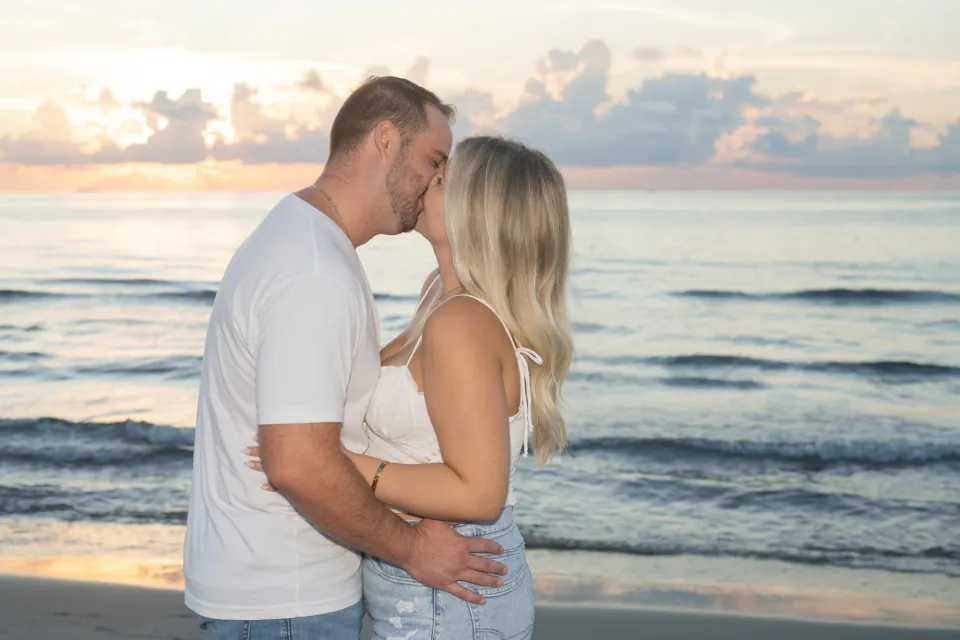
In wedding photography, light isn't just a background element. It's the thing that makes a photo feel alive. Good light makes an ordinary moment look great. Bad light flattens even the ones that mattered most. With a little planning ahead, you can give your wedding photos every advantage.
Here's what actually matters when it comes to light on your wedding day, and how to plan around it.
Talk to Your Photographer Before the Day
One of the most valuable things you can do is walk through your venue with your photographer in advance, or at least go over photos together and discuss the spaces. I do this with every couple I work with. By understanding where the light falls at different times of day, where the harsh shadows are, and where the soft, beautiful spots are, we can build a portrait schedule that works with the environment rather than against it.
This conversation makes a real difference. It means on your wedding day, there are no surprises.
Time of Day Changes Everything
Light behaves very differently depending on when your photos happen.
- Golden Hour occurs just after sunrise or just before sunset. The light is soft, warm, and flattering. If at all possible, schedule your couple portraits or first look during this window. The results are consistently beautiful.
- Midday Sun can be challenging for outdoor portraits because it creates strong shadows and bright highlights that make people squint. That said, it's completely workable. Natural shade, reflectors, and smart positioning can all soften the harshness considerably.
- Overcast Days are often underrated. Cloud cover acts like a giant diffuser, creating even, soft, flattering light across your subjects. Some of my favorite wedding portraits have been shot on gray days.
Choose Your Venue with Light in Mind
When you're evaluating ceremony and reception spaces, pay attention to the light sources.
- Large windows, glass walls, and skylights let natural light pour in and create bright, airy indoor spaces.
- Outdoors, consider how much open sky versus tree cover you have. Soft, dappled shade under trees can be beautiful for portraits.
- For evening receptions, think about how the ambient lighting works with photography. Romantic candlelight is gorgeous in person, but you'll want enough ambient light or uplighting so photos don't end up too dark or overly processed.
When you're touring venues, ask specifically about how the light changes throughout the day in the spaces where you're planning to do portraits.
Build Flexibility Into Your Timeline
A rushed timeline is the enemy of great light. When everyone's running behind and you have five minutes for portraits, there's no time to find the right spot or wait for a better angle. A few ways to protect your portrait time:
- Schedule couple portraits during golden hour whenever the timeline allows
- Avoid back-to-back bookings that leave no breathing room
- If your ceremony is outdoors at midday, plan to find shade or use alternate lighting for formal portraits immediately after
- If your reception extends into dusk, talk through evening lighting options with your photographer ahead of time
Tools That Help When the Light Isn't Perfect
Even with great planning, conditions change. Here's what I use to manage light in any situation:
- Reflectors and diffusers: These bounce or soften harsh sunlight, especially useful for outdoor portraits at midday.
- Off-camera flash: When natural light is weak, indoors after dark, or under heavy shade, professional lighting fills in beautifully without looking artificial.
- Reception lighting details: Fairy lights, candles, and uplighting add texture and depth to photos. It's worth asking your planner or florist about lighting elements that photograph well.
Be Willing to Adapt
Sometimes the light doesn't cooperate. Clouds roll in unexpectedly, the sun sets earlier than planned, or something runs long and your golden hour window shrinks. When that happens:
- Be open to shifting locations. A space with large windows or soft ambient light can save the session.
- Sometimes waiting an extra ten minutes for better light is genuinely worth it.
- Let your photographer guide you. We see the scene before you do, and we know what the light is about to do.
Final Thoughts
Light is one of the few things in wedding photography that you can actually plan around. The couples who put a little thought into their timeline and venue selection almost always end up with portraits they love. And when things don't go perfectly, a photographer who knows how to work in any conditions makes all the difference.
Want to talk through your wedding timeline and how to get the best light for your day? Let's connect.